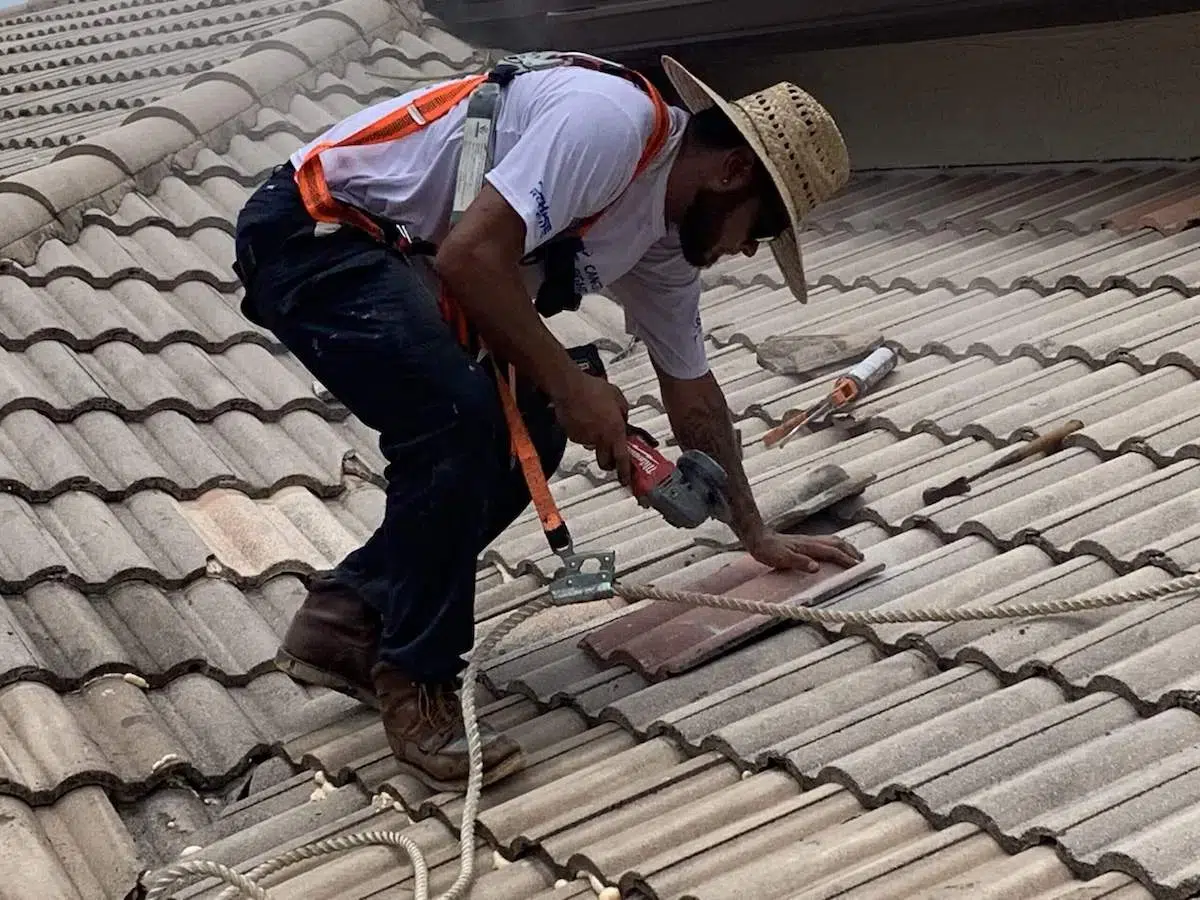
Spring storms in Allen, TX, can be brutal on your home's roof. To prevent damage to your property, it's crucial to inspect and prepare your roof ahead of time. This comprehensive guide will outline what you need to check on your roof before the spring storms roll in. Regular roof maintenance is vital, and taking the necessary precautions can save you from costly repairs or even a roof replacement.
Inspect Your Roof's Shingles
The first step in your roof inspection should be checking the condition of your shingles. Shingles are your roof's first line of defense against the elements, and damaged or missing ones can lead to leaks and subsequent water damage.
Look for shingles that are cracked, buckling, curling, or missing entirely. These are signs that your roof may not be able to withstand the heavy rains and high winds associated with spring storms. If you notice any of these issues, it's time to call in a professional roofing service like Roofing Allen TX to repair or replace your shingles.
Check for Signs of Leaks
Inspecting your attic and interior ceilings for signs of leaks is another crucial step in preparing your roof for spring storms. Look for dark spots or trails on your ceiling, as well as damp spots around your fireplace or vent pipes. These are all signs that water is finding its way into your home.
If you notice any of these signs, it's crucial to take immediate action. Delaying repairs can lead to more extensive damage such as mold growth, structural damage, and even roof collapse.
Examine Your Gutters and Downspouts
Your gutter system plays a crucial role in protecting your home from water damage. It directs water away from your home's foundation, preventing costly structural damage. However, if your gutters are blocked with debris, they can overflow and cause water to back up under your shingles or spill onto your home's siding.
Before the storm season, ensure your gutters are clean, securely attached to your home, and free of holes or other damage. Also, check that your downspouts are clear and directing water away from your home's foundation.
Ensure Your Roof's Flashing Is Intact
Roof flashing is a thin material, typically metal, used to direct water away from critical areas of the roof, such as vents, chimneys, and skylights. Damaged or missing flashing can lead to water leaks and serious damage to your roof and home's interior.
If you're uncomfortable checking the flashing yourself, consider hiring a professional service like Roof inspection Allen TX to conduct a thorough inspection of your roof's flashing and make any necessary repairs.
Assess Your Roof's Structure
A sagging or uneven roof is a serious problem that requires immediate attention. This could be a sign of underlying structural issues, such as rotting or broken rafters. If your roof is sagging or appears uneven, it's best to call in a professional roofer to assess the situation and provide a solution.
Conclusion
Preparing your roof for spring storms in Allen, TX, is crucial to preventing costly damage to your home. By regularly inspecting your roof's shingles, checking for leaks, examining your gutters and downspouts, ensuring your roof's flashing is intact, and assessing your roof's structure, you can help ensure your home is ready to weather any storm.
FAQs
How often should I inspect my roof?
It's recommended to inspect your roof at least twice a year, preferably in the spring and fall. Additionally, it's a good idea to check your roof after any severe weather events.
Can I inspect my roof myself?
While you can do a basic inspection yourself, it's always best to hire a professional roofer to conduct a thorough inspection. They have the training and experience to spot issues you may miss.
What should I do if I notice damage during my roof inspection?
If you notice any damage during your inspection, it's crucial to get it repaired as soon as possible. Contact a professional roofing company to assess the damage and provide a repair solution.

請先 登入 以發表留言。