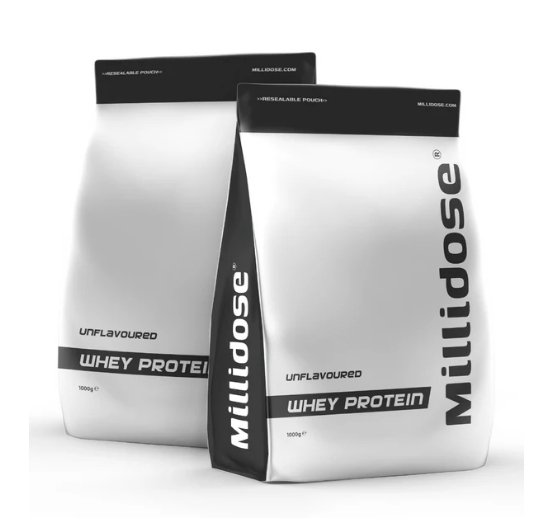
Introduction
When it comes to fitness and nutrition, whey protein is a staple in most people's diets. But with so many options available, it’s not always easy to choose the right one. Do you go for concentrate, isolate, or hydrolysate? What about flavors, additives, and overall quality? This guide will walk you through everything you need to know about selecting the best whey protein for your needs.
What is Whey Protein?
Whey Protein is a high-quality protein derived from milk during the cheese-making process. Known for its rapid absorption and rich amino acid profile, it’s a favorite among athletes, bodybuilders, and anyone looking to boost their protein intake.
Why Whey Protein? The Benefits for Your Health
Whey protein is packed with essential amino acids, making it a "complete protein." It supports muscle recovery, boosts immune function, and aids in weight management by enhancing satiety. It’s especially beneficial after workouts, helping muscles repair and grow.
Different Types of Whey Protein
Understanding the different types of whey protein is crucial to finding the best fit for your needs. Let’s break down the three main varieties:
Whey Protein Concentrate
Whey protein concentrate is the least processed form of whey, containing about 70-80% protein, with some fats and carbohydrates. It’s flavorful and tends to be more affordable, making it a popular choice for beginners.
Whey Protein Isolate
Whey protein isolate undergoes further processing, resulting in a protein content of 90% or higher with minimal fats and lactose. It’s ideal for those on a strict diet or who are lactose-sensitive.
Whey Protein Hydrolysate
Whey protein hydrolysate is partially pre-digested, allowing for faster absorption and reduced potential for digestive discomfort. It’s generally more expensive but beneficial for those with sensitive stomachs or immediate post-workout needs.
How to Choose the Best Whey Protein for You
Selecting the right whey protein depends on your goals, dietary restrictions, and personal preferences. If you're a beginner or on a budget, a concentrate might suit you. For those needing high purity with minimal carbs or fats, isolate or hydrolysate could be ideal.
Understanding Whey Protein Quality
Not all whey proteins are created equal. Here’s what to look for in terms of quality:
Protein Content
Look for products with high protein content per serving. This means less filler and more of the protein you’re paying for.
Amino Acid Profile
A quality whey protein should offer a full range of essential amino acids, especially branched-chain amino acids (BCAAs), which are key for muscle growth and repair.
Purity and Additives
Additives can dilute the quality of whey protein. Look for products with minimal added sugars, fillers, or unnecessary additives to ensure you’re getting the purest protein possible.
Flavors of Whey Protein: Which One Tastes Best?
From classic chocolate and vanilla to more exotic options like mocha and salted caramel, whey protein flavors cater to every taste preference. If you’re just starting, try buying a sample pack with various flavors to see what you enjoy most.
Additives in Whey Protein: Are They Necessary?
While some additives can enhance flavor and mixability, others may be unnecessary or even undesirable. Here’s a breakdown of common additives:
Sweeteners
Artificial sweeteners like sucralose or stevia are commonly used in whey proteins to reduce calories. However, some people prefer natural options or avoid sweeteners altogether.
Preservatives
Preservatives extend shelf life but can be avoided if you prefer natural products. Look for whey proteins labeled "preservative-free" if that’s a priority for you.
Thickeners and Fillers
Thickeners improve texture but may add unnecessary calories. Avoid whey proteins with high levels of fillers if you’re looking for a pure product.
Organic vs. Non-Organic Whey Protein
Organic whey protein is derived from cows raised without antibiotics or hormones and is generally considered a cleaner option. However, it tends to be more expensive. Non-organic whey protein is still safe and effective but may contain trace amounts of growth hormones or antibiotics.
How to Assess the Quality of Your Whey Protein
A high-quality whey protein is transparent about its ingredients and manufacturing process. Here’s how to ensure you’re getting a top-tier product:
Brand Transparency
Look for brands that are open about their sourcing and manufacturing practices. Trustworthy companies will provide information about where their whey is sourced and how it’s processed.
Third-Party Testing
Third-party testing ensures that the product’s label claims match its contents. Choose whey proteins that have been certified by independent testing labs for quality assurance.
Understanding Whey Protein Labels
Reading labels can be tricky, but it’s essential to understanding what’s inside your whey protein. Key things to look out for include protein content, ingredient list, and serving size. Avoid labels with vague terms like "protein blend" without further detail.
Price vs. Quality: Finding a Balance
High-quality whey protein often costs more, but it’s usually worth the investment. Low-cost options might be tempting, but they may include fillers or lower-quality ingredients that won’t offer the same benefits.
When and How Much Whey Protein to Take
Timing and dosage depend on your goals. A standard recommendation is one scoop (20-30 grams of protein) post-workout for muscle recovery. However, consult with a nutritionist if you have specific dietary needs or goals.
Potential Side Effects and Considerations
While whey protein is generally safe, it can cause digestive issues for some people, especially those who are lactose intolerant. Start with a small amount to see how your body reacts, and consider whey isolate or hydrolysate if you’re sensitive to lactose.
Conclusion
Choosing the right whey protein can seem overwhelming, but it’s all about matching your needs and preferences with the right product. Whether you prioritize flavor, purity, or affordability, there’s a whey protein out there that fits the bill. Just remember to consider the type, additives, and quality when making your decision.

請先 登入 以發表留言。